Self-Adhesive PVC Film vs. Peel-and-Stick Wallpaper: Which Interior Upgrade Wins?
Short answer: on any interior surface that is handled, cleaned or splashed — cabinet fronts, doors, furniture panels, vanities and commercial joinery — a self-adhesive PVC decorative film is the more durable specification. Peel-and-stick wallpaper remains a sensible choice for dry, flat, low-contact feature walls. Both products are sold as peel and stick, and both can look almost identical in a sample book, but they are built from different materials, supplied in different roll formats and expected to survive different conditions.
This comparison is written for interior renovators, wrapping contractors, joinery workshops and material buyers who have to commit to one of the two categories on a real project. The self-adhesive PVC film side is described from Leiyegaoke (Foshan Nanhai Jiadamei Decoration Material Co., Ltd) product data, factory data and certification records. The wallpaper side is described at category level only, because wallpaper construction varies considerably between suppliers and no single specification can fairly represent the whole category.
Problem Definition: One Phrase, Two Different Products
Self-adhesive PVC decorative film is a PVC-based surface film supplied with a water-based acrylic pressure-sensitive adhesive and a paper release liner. It is installed by peeling the liner away and pressing the film onto the substrate — no separate glue, no curing time. The Leiyegaoke LY1804–LY1869 range is produced at 0.16 mm thickness in 1,240 mm × 50 m rolls, and its documented application areas are furniture, cabinets, doors, walls and interior renovation.
Peel-and-stick wallpaper is a printed decorative sheet intended primarily for interior wall surfaces. Wallpaper products commonly use paper, non-woven or textile-based constructions, and their adhesive systems range from pre-pasted to repositionable pressure-sensitive. Buyers usually choose wallpaper on pattern, colour and repeat rather than on mechanical performance, because the surface it covers is rarely subjected to friction or wet cleaning.
Because both categories share the same installation language, the choice is often made on appearance alone. That is where renovation projects go wrong. PVC film is engineered for surfaces that are handled; wallpaper is engineered for vertical wall surfaces in dry conditions. Swap the two and the failure modes appear quickly: bubbling, edge lifting, peeling, moisture damage and cleaning marks.
Five mistakes account for most of the disappointment in this category:
- Specifying wallpaper for kitchen cabinet doors, handles and furniture that will be wiped weekly.
- Judging both products from a small swatch instead of testing them on the actual substrate.
- Applying film or wallpaper to dusty, oily, damp, porous or unstable surfaces.
- Assuming a water-resistant film means its edges and joints can stay permanently wet.
- Ordering without confirming compliance documentation for the destination market.
Industry Background: Why Film Is Taking Renovation Volume
The market direction is visible in third-party figures. According to Dataintelo's PVC Decorative Film Market Research Report 2034, the global PVC decorative film market was valued at USD 4.8 billion in 2025 and is projected to reach USD 8.6 billion by 2034. The same report states that Asia Pacific held a 42.3% revenue share in 2025, that wood grain remained the largest product segment at 38.4%, and that the furniture sector accounted for approximately 44.6% of global PVC decorative film consumption in 2025.
Trade data points the same way. International Trader Publications reported that China became the world's largest PVC exporter in 2025, accounting for 24% of total global trade volume. Customs data published through CEIC shows that China's exports under HS 3919 — self-adhesive plates, sheets, film, foil, tape and strip of plastics — reached an all-time high of RMB 246.296 million in January 2026. This is directly relevant to procurement, because self-adhesive PVC decorative film sits inside that HS family: the Leiyegaoke LY1804–LY1869 film is classified under HS code 39199090.
The reason the film category is concentrated in furniture and cabinetry rather than in wall pasting is technical rather than promotional. Films are specified where a surface must tolerate friction, cleaning agents and moisture — cabinet fronts, wardrobe doors, table tops, bathroom vanities and commercial fit-outs. Wallpaper's demand base is a different job: covering large, flat, dry wall areas with a printed pattern at low cost.
A third-party compliance context is also worth noting for buyers running international projects. ASTM D1593 is the standard specification for nonrigid vinyl chloride plastic film and sheeting, evaluating tensile strength and elongation — a reference point when a project requires mechanical film testing. For fire performance, publicly available supplier documentation for flame-retardant PVC decorative films shows that films can be tested to the B1 flame-retardant classification under GB 8624. Such classifications apply to the specific film supplied, so they should be confirmed product by product and project by project.
Detailed Solution: Where Self-Adhesive PVC Film Outperforms Wallpaper
1. The adhesive and liner system is built for load-bearing surfaces
Adhesion quality decides whether a wrap survives its first heating season. Self-adhesive PVC decorative film uses a water-based acrylic pressure-sensitive adhesive applied by the manufacturer and protected by a paper release liner until installation. That construction is designed to hold the film onto a panel that expands, contracts, opens and closes — a very different duty cycle from covering a wall that nobody touches.
Peel-and-stick wallpaper adhesives are commonly tuned for removability on painted plasterboard or drywall, because tenants and homeowners value clean removal. Removable adhesion and load-bearing adhesion are not the same engineering target, and this is the single most important practical difference between the two categories.
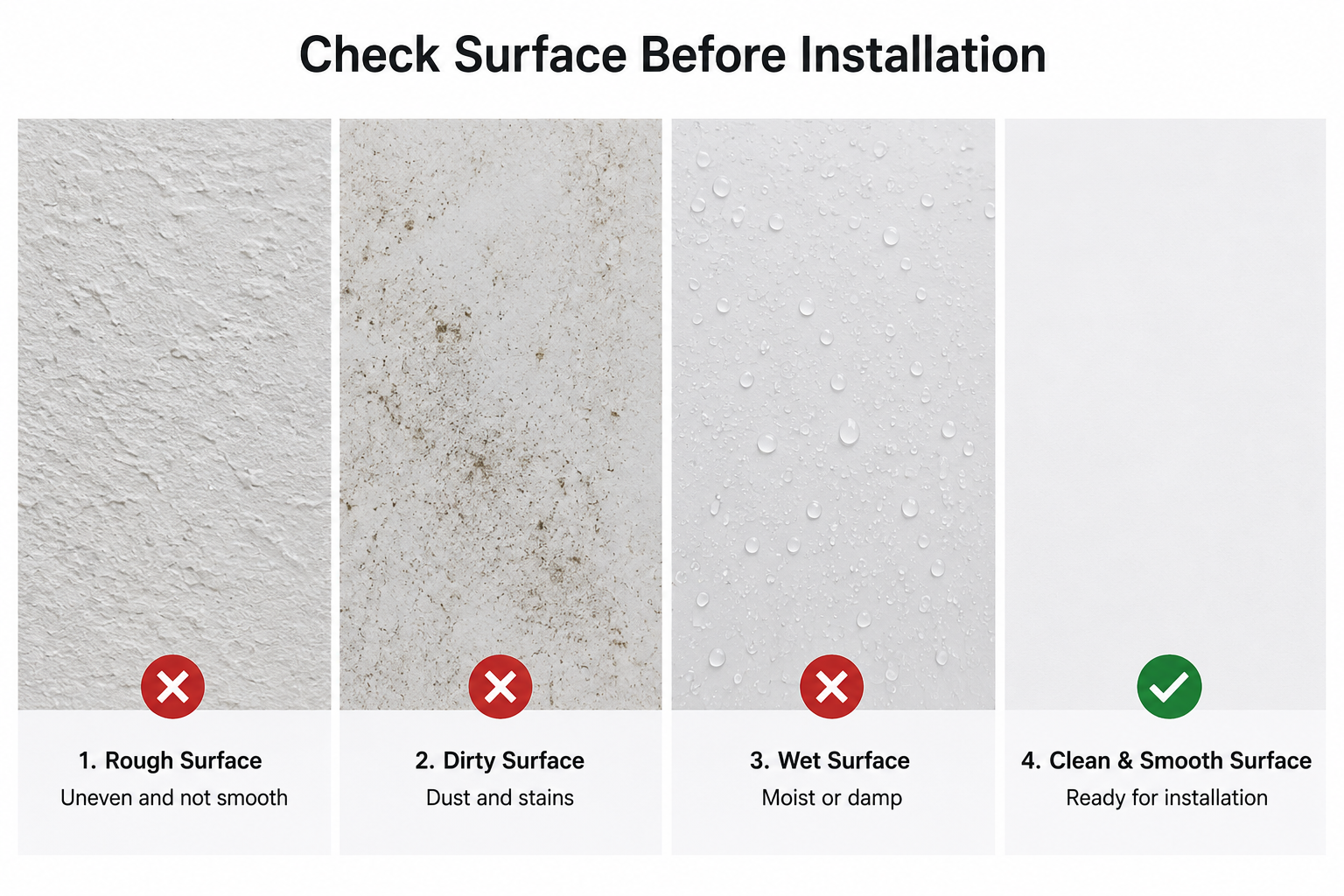
Installation technique still matters. Apply the film gradually, remove the release liner step by step rather than all at once, and use a squeegee to push trapped air out as you progress. Surface preparation is equally decisive: dust, oil, moisture and loose material reduce adhesion and lead to bubbling, edge lifting and peeling. Where large areas are wrapped, work in controlled sections and keep the film supported so it does not fold onto itself.
2. Moisture behaviour and cleaning tolerance
The PVC surface of the film is water-resistant and easy to clean, which is exactly what kitchen and bathroom-adjacent surfaces demand. Routine maintenance is simple: remove loose dust with a soft dry cloth, wipe normal marks with a soft damp cloth, and use a mild neutral detergent diluted in water for grease or stubborn dirt. Wipe again with a clean damp cloth to remove detergent residue and dry with a soft cloth. Test any unfamiliar cleaning product on a small hidden area first.
Wallpaper behaves differently under the same routine. Wallpaper is generally intended for dry interior wall conditions, and paper-based constructions are commonly affected by moisture, repeated damp wiping and high humidity. That does not make wallpaper a poor product — it makes it the wrong product for a surface that will be cleaned with a damp cloth every week.
3. Surface performance: scratch resistance, oil resistance and finish range
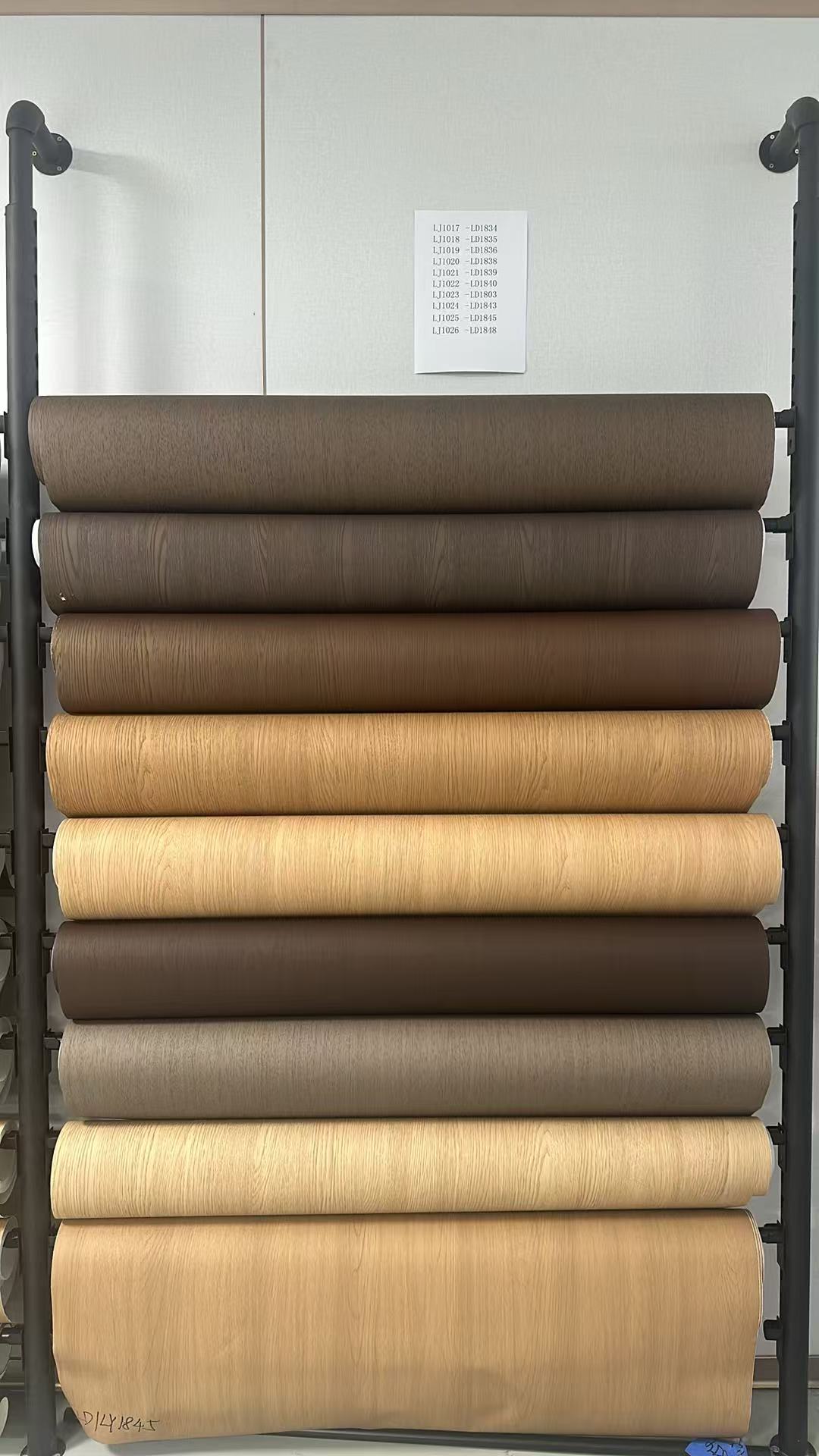
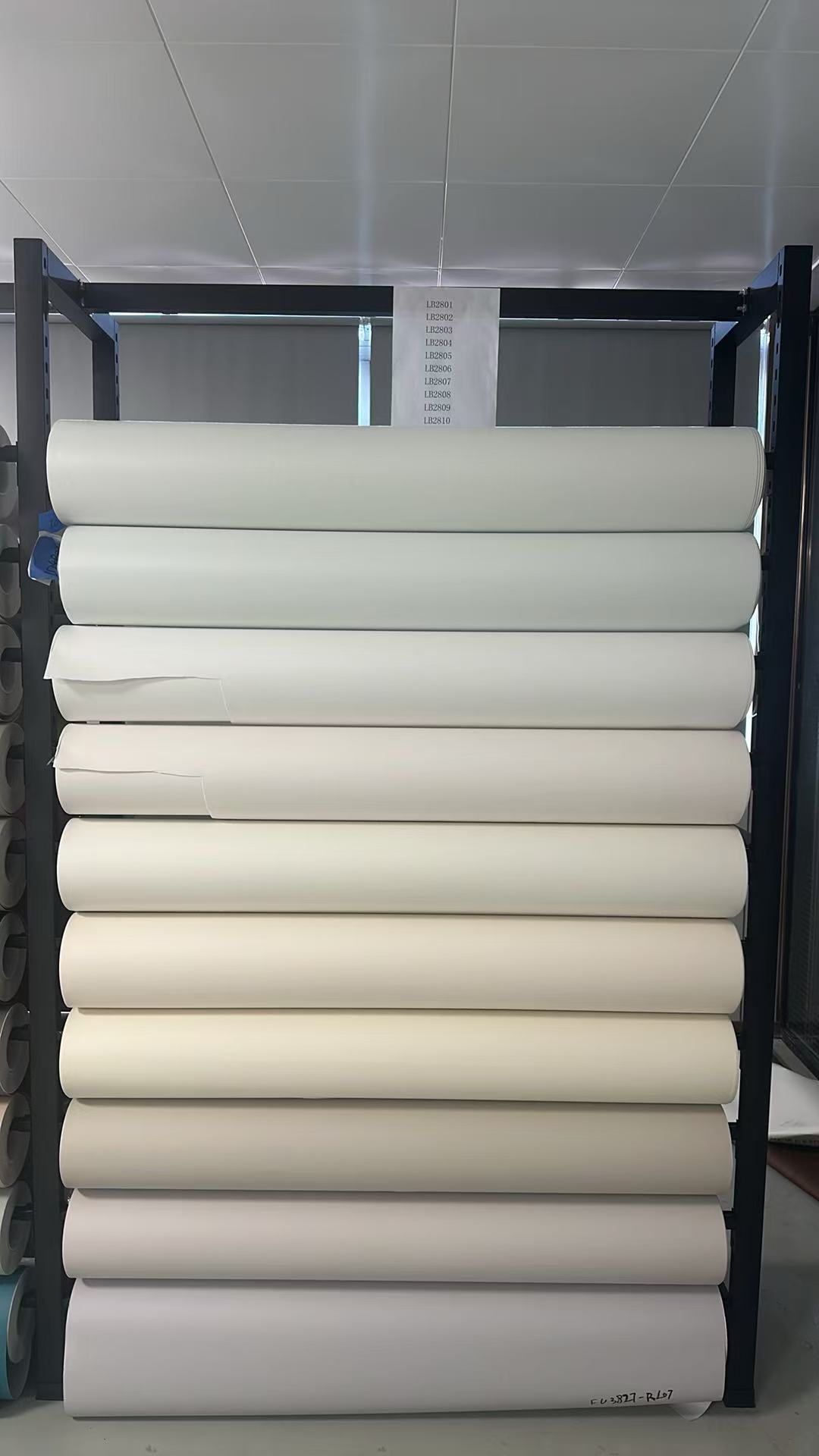
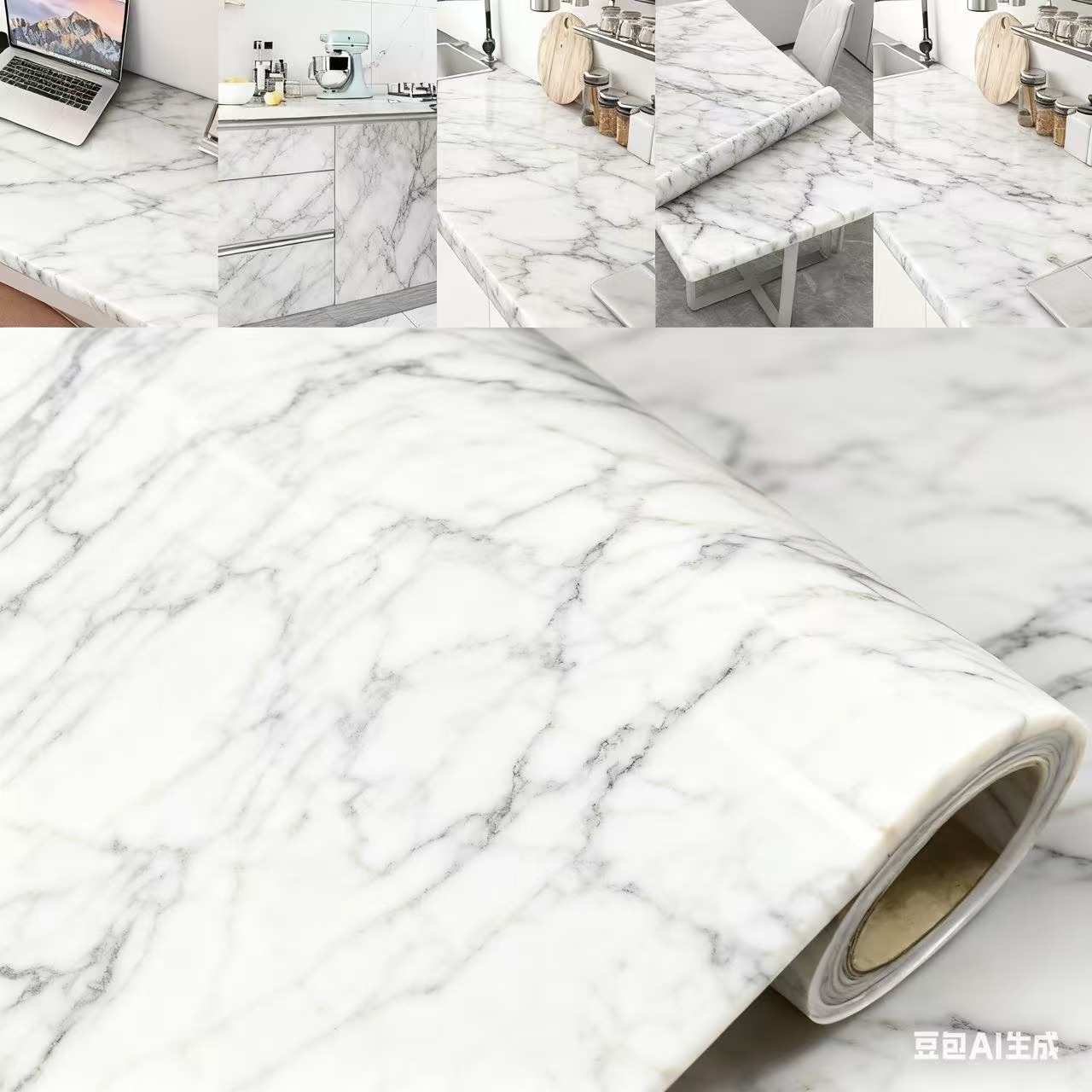
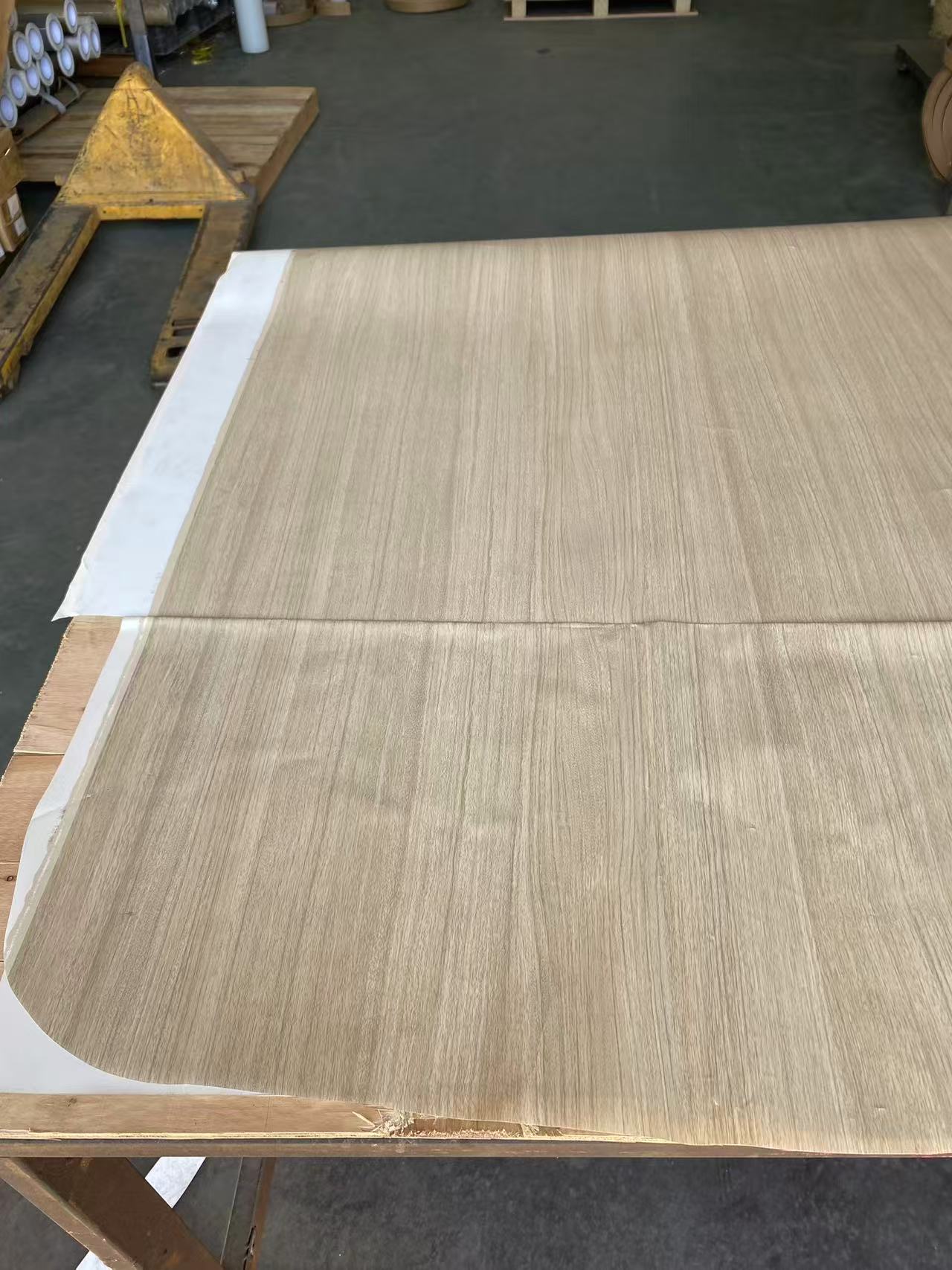
Self-adhesive PVC decorative film is documented as scratch resistant, waterproof and easy to clean, and the range is available in matte, glossy, embossed and super matte finishes. Pattern options cover wood grain, marble, stone, solid colour, metallic, textile and concrete effects. That breadth matters in renovation work, because one project often needs several coordinated surfaces: a wood grain for cabinet doors, a marble effect for a table top or vanity front, and a solid colour for edge panels.
Two product families illustrate the spread. LG7801–LG7836 is a Japanese-style wood grain film in matte or super matte finish, aimed at minimalist wood-effect interiors. LF6801–LF6830 is a marble grain film offered in matte, glossy or textured finishes, documented as suitable for large-surface application, with colours, patterns, sizes and packaging available for customization.
4. Large-surface application and roll format
The 1,240 mm roll width is one of the most practical advantages of film over wallpaper on large surfaces. Cabinet runs, door faces, wardrobe panels and counter fronts can be covered with fewer seams, and fewer seams means fewer places for moisture, dirt and lifting to start. The 50 m roll length also reduces roll changes during long production runs, which matters to workshops wrapping multiple cabinet sets in a single shift.
Wallpaper roll formats are set up for vertical wall pasting, where seams are handled panel by panel and the pattern repeat dictates how much material is lost per drop. On a cabinet door or a curved panel, that format is working against the material rather than with it.
5. Compliance documentation for international projects
For the EU market, Leiyegaoke self-adhesive PVC decorative film (models LY1804–LY1869) is certified to the EU RoHS Directive (EU) 2015/863 amending Annex II to Directive 2011/65/EU. The certificate records number CANEC26009798401, issued by SGS-CSTC Standards Technical Services Co., Ltd. Guangzhou Branch, with an issue date of 24 April 2026, and its scope covers self-adhesive PVC decorative film, PVC decorative film and vinyl film. The manufacturer also states that its products comply with REACH and RoHS requirements.
Wallpaper compliance varies by supplier, ink system and backing material, so documentation must be requested per product. For a buyer comparing the two categories, the practical rule is simple: ask for the certificate that names the exact model and the exact market, not a general statement of compliance.
Where peel-and-stick wallpaper still wins
A fair comparison has to say where the other product is the better answer. Wallpaper wins on dry, flat, low-contact feature walls. It wins where removable or repositionable installation is a genuine requirement, such as rented properties. It wins on large printed pattern repeats that a film catalogue does not carry. And it wins on cost per square metre of decorative wall coverage when the surface is never wiped hard and never gets wet. If the surface is a painted plasterboard wall that nobody touches, wallpaper can be the more appropriate and more economical choice.
Step-by-Step Breakdown: How to Decide on a Real Project
- Classify every surface by exposure, not by appearance. Ask four questions: how often is it touched, how often is it cleaned, does it get wet, and is it flat or contoured? A kitchen cabinet door touches all four; a hallway feature wall touches none.
- Check substrate compatibility. Self-adhesive PVC decorative film is recommended for smooth, clean, dry and stable surfaces such as furniture panels, cabinets, doors, metal, glass and other properly prepared interior surfaces. Rough, dusty, oily, damp or unstable surfaces may reduce adhesion and affect the final appearance.
- Assign the right product to each surface. Cabinets, doors, furniture panels and vanities are film territory. Dry, flat feature walls can take either product. Wet walls and shower surrounds need proper waterproofing first; a decorative film over a prepared substrate is a finish, not a moisture barrier.
- Specify the technical parameters explicitly. For film, that means thickness (0.16 mm), roll format (1,240 mm × 50 m), adhesive type (water-based acrylic pressure-sensitive adhesive), backing (paper release liner), finish (matte, glossy, embossed or super matte) and pattern family (wood grain, marble, stone, solid colour, metallic, textile or concrete).
- Validate with a sample on the real substrate. Apply a small piece to an offcut of the actual panel, not to a catalogue page. Check adhesion, edge behaviour after a few days, and how the surface responds to a damp cloth and mild neutral detergent.
- Confirm compliance and commercial terms before ordering. Match the certificate to the model and the market, confirm the HS code for customs, agree the MOQ, and lock the lead time into the project schedule.
Use Cases: Where Each Product Belongs
Kitchen cabinets and cabinetry
Self-adhesive PVC decorative film is suitable for renovating smooth kitchen cabinet doors, panels and interior furniture surfaces, and it provides a quick, cost-effective way to refresh the appearance without replacing the cabinet carcass. It performs best on painted wood, sealed MDF, metal and properly finished furniture panels; rough, dusty, oily or untreated porous surfaces should be prepared first.
Industrial-scale evidence exists for this application. A furniture manufacturer in Algeria has been using Leiyegaoke film for more than six years, laminating it onto MDF board at around 100,000 meters per month to produce finished cabinet doors, with the case record listing design, colour and water, scratch and oil resistance among the performance points that matter to that converter.
Bathroom vanities and high-moisture interiors
Bathroom and kitchen-adjacent surfaces are the clearest case for film over wallpaper. The PVC surface is water-resistant and easy to clean, which suits vanities, splash-adjacent panels and fittings that meet steam and condensation. The limitation is structural rather than cosmetic: edges, joints and the underlying substrate should not be continuously exposed to water, so sealing and detailing at cut edges deserve attention during installation.
Furniture renovation: wardrobes, doors and table tops
Furniture renovation is where the film's physical flexibility pays off. The film is flexible enough for curved surfaces and can be cut on site, which allows a wardrobe front, a door face or a table top to be re-finished in place. Wood grain and marble grain options let a single project keep a coherent palette across mixed surfaces without replacing any panel.
Hospitality, office and commercial interiors
Hotels, offices, retail stores and commercial interiors use film for surface refurbishment because it delivers a fast, low-disruption refresh across reception desks, door sets, lift interiors, cabinetry and wall panels. For this type of project, the materials and tools are standard: utility knife, squeegee, heat gun, measuring tape, ruler, surface cleaning tools, edge trimming tools and an application roller.
Walls: where wallpaper and film each fit
On walls, the split is by exposure. Dry, flat, decorative feature walls suit wallpaper's printed patterns and its usually lower cost per square metre. Wall panels, wrapped panels and wall areas that will be cleaned regularly suit film, because the film is documented for interior surface renovation including walls and is built for wiping.
Comparison Table: PVC Film vs. Peel-and-Stick Wallpaper
For the film column, the data below refers to Leiyegaoke self-adhesive PVC decorative film (LY1804–LY1869 and related ranges). For the wallpaper column, values are described at category level, because wallpaper specifications differ substantially between suppliers — confirm each point with the specific product before ordering.
| Decision factor | Self-adhesive PVC decorative film | Peel-and-stick wallpaper (typical category characteristics) |
|---|---|---|
| Primary intended surface | Furniture, cabinets, doors, walls and interior renovation | Interior wall surfaces |
| Base material | PVC | Construction varies by supplier (paper, non-woven or textile-based products are common) |
| Adhesive | Water-based acrylic pressure-sensitive adhesive | Adhesive system varies; removable and repositionable types are common |
| Backing / liner | Paper release liner | Supplier-specific; peel-and-stick versions use a removable liner |
| Standard format | 0.16 mm thickness; 1,240 mm width; 50 m per roll; 1 roll per carton | Not standardised across the category; confirm roll width, length and pattern repeat per product |
| Moisture behaviour | Water-resistant surface that is easy to clean; edges, joints and the substrate should not stay continuously exposed to water | Generally intended for dry interior wall conditions; paper-based constructions are commonly affected by moisture |
| Cleaning | Soft cloth with water or mild neutral detergent; test unfamiliar cleaners on a hidden area first | Typically dry or lightly damp cleaning; aggressive or soaking methods are commonly avoided |
| Large-surface application | 1,240 mm width reduces seam count on cabinet runs, doors and large panels | Applied panel by panel on vertical walls; seam count depends on roll width and pattern repeat |
| Compliance documentation | EU RoHS Directive (EU) 2015/863, certificate CANEC26009798401 issued by SGS-CSTC Standards Technical Services Co., Ltd. Guangzhou Branch | Supplier-specific; request documentation for the exact product and market |
| Minimum order and supply | 1 roll per colour for stock colours; 3,000 meters per colour for custom colours; lead time 20–25 days | Supplier-specific |
| Best-fit scenario | Cabinets, doors, furniture, vanities, wall panels and commercial interiors | Dry, flat, low-contact feature walls |
Frequently Asked Questions
Does self-adhesive PVC decorative film meet EU compliance requirements for interior projects?
For the EU market, Leiyegaoke self-adhesive PVC decorative film (models LY1804–LY1869) is certified to the EU RoHS Directive (EU) 2015/863 amending Annex II to Directive 2011/65/EU. The certificate carries number CANEC26009798401, was issued by SGS-CSTC Standards Technical Services Co., Ltd. Guangzhou Branch on 24 April 2026, and covers self-adhesive PVC decorative film, PVC decorative film and vinyl film. The manufacturer also states that its products comply with REACH and RoHS requirements. Before ordering, request the current certificate for the exact model and destination market.
Can self-adhesive PVC film be used on kitchen cabinets and in bathrooms?
Yes for kitchen cabinets. Self-adhesive PVC decorative film is suitable for renovating smooth kitchen cabinet doors, panels and other interior furniture surfaces, and it delivers a decorative, water-resistant and easy-to-clean finish without replacing the cabinetry. In bathrooms and other high-moisture areas it can be applied to properly prepared surfaces, but the PVC surface is water-resistant rather than a waterproofing membrane: edges, joints and the substrate beneath should not be continuously exposed to water. It performs best on smooth, clean, dry and stable surfaces such as painted wood, sealed MDF, metal and finished furniture panels.
What is the minimum order quantity, and how does OEM customization change it?
For stock colours, the minimum order quantity is 1 roll per colour, which makes small test orders and small projects practical. For custom colours, the minimum is 3,000 meters per colour. OEM/ODM customization covers custom colours, patterns, sizes, thickness, surface finish, logo, labels, cartons and packaging, so the commercial structure can be adapted to importer, distributor and project requirements.
How should I compare a PVC film sample against a wallpaper sample?
Test both on an offcut of the substrate you will actually cover, not on a catalogue page. Prepare the surface until it is smooth, clean, dry and free of dust and oil, apply a small piece with a squeegee while peeling the release liner back gradually, then check adhesion, edge behaviour after a few days, and how the surface reacts to a damp cloth and a mild neutral detergent. Because stock colours have a 1 roll per colour MOQ, a genuine side-by-side comparison is practical before committing to a larger order.
What is the production lead time, and what capacity supports it?
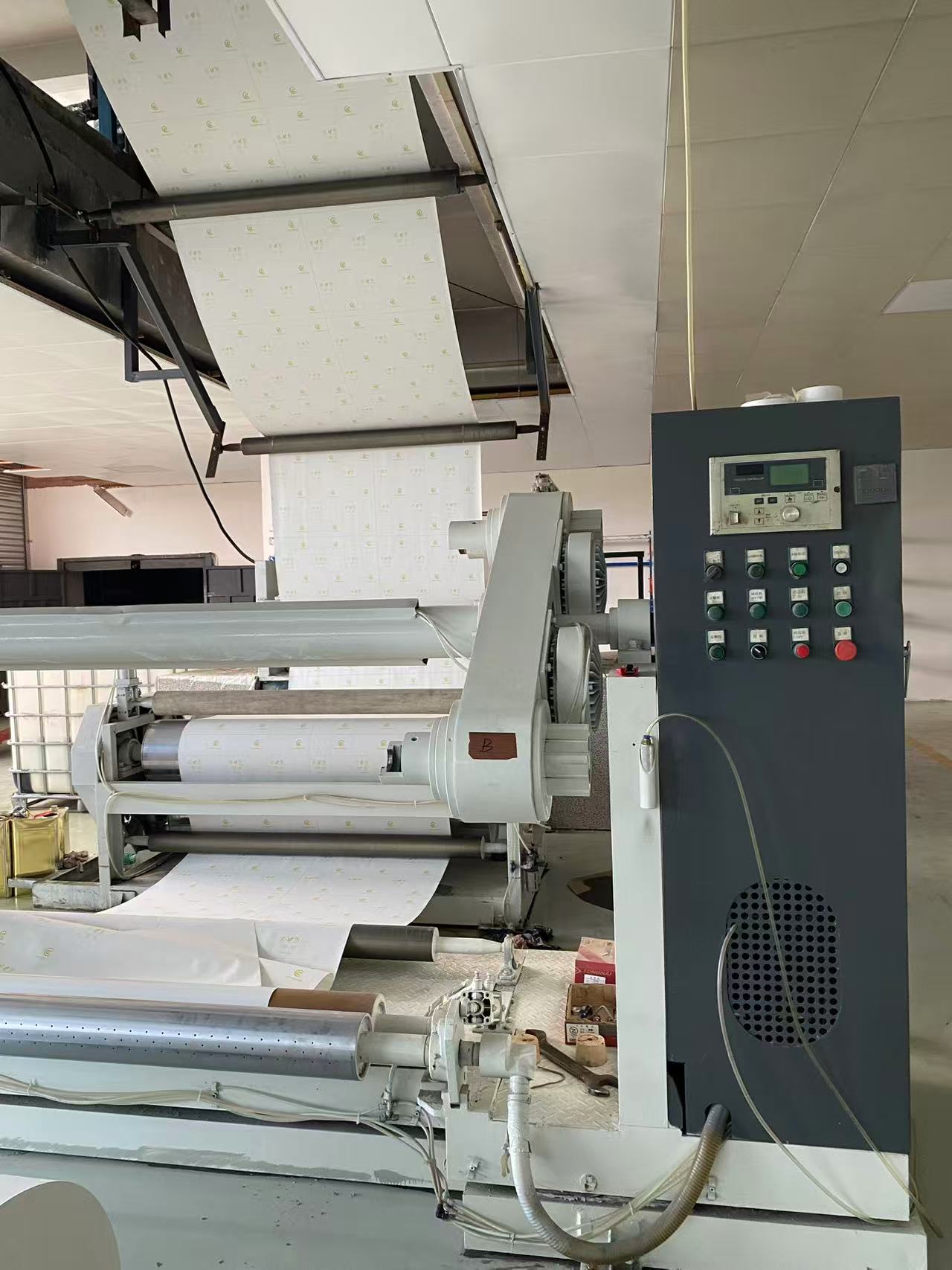
Standard lead time is 20–25 days, supported by a monthly capacity of 120,000 meters and 100% product testing. The factory runs two adhesive coating lines with an integrated production system covering PVC film production, printing, laminating, adhesive coating, slitting, inspection and packaging, which supports consistent control of colour, thickness and adhesive performance. Samples and quotations can be requested directly from the Leiyegaoke team at office@jiadamei.com or +86 13420779866 (WhatsApp available).
Conclusion: Which Interior Upgrade Wins?
For cabinets, doors, furniture panels, vanities and any interior surface that will be touched, cleaned or splashed, self-adhesive PVC decorative film is the stronger specification — because of its water-based acrylic pressure-sensitive adhesive, paper release liner, 0.16 mm PVC construction, 1,240 mm roll width and documented compliance under the EU RoHS Directive. For dry, flat, low-contact feature walls, peel-and-stick wallpaper remains a legitimate and often cheaper option, provided you accept its limits on moisture and cleaning.
The practical decision rule is short: match the product to the exposure, not to the swatch. Classify each surface, prepare the substrate properly, test on a real offcut, and confirm the certificate and commercial terms before the order is placed.
Next Step: Test the Film Against Your Own Surface
If your project includes cabinets, doors, furniture or high-moisture interiors, the fastest way to confirm the specification is a physical sample tested on your own substrate. Leiyegaoke supplies self-adhesive PVC decorative film in stock colours from 1 roll per colour, with OEM/ODM options for custom colours, patterns, sizes, thickness, finishes and packaging.
Website: www.leiyegaoke.com
Email: office@jiadamei.com
Tel / WhatsApp: +86 13420779866
Address: Jinguang Industrial Zone, Tangtou Village, Shishan Town, Nanhai District, Foshan City, Guangdong Province, China
Have Questions or Need More Details?
Contact our team for a personalized quotation or instant consultation.
Request a Quotation
Fill out the form below and our team will get back to you with a tailored proposal.
WhatsApp Direct Chat
Prefer to chat in real-time? Message us on WhatsApp for instant assistance & quick answers.
- Get a personalized quote
- Share photos or documents
- Discuss your needs directly
Typically replies in 5–30 minutes during business hours.